




A baseball program asked us what to put in their facility for ages 9 to 14. Here's what we told them: a few tools that each train one thing, introduced in order as hitters grow.
The lineup, by age
| Age | Training bat | What it trains | Pair it with |
|---|---|---|---|
| 9-11 | or | Hitting the ball on the barrel, bat speed | Tee, front toss, off the machine |
| 9-11 | Extension, staying short | Heavier plyo balls | |
| 9-11 | The split grip movement, before adding weight | Half swings off the tee | |
| 12-14 | The same movements, now with weight | Tee and front toss |
Ages 9-11: start light
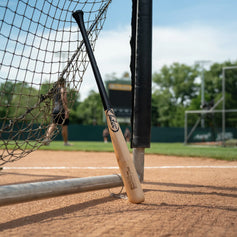
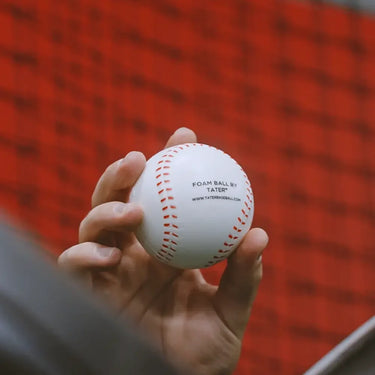
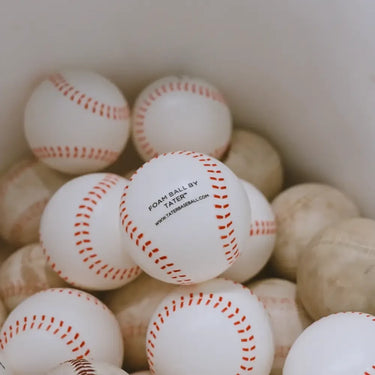
Start with the Sweet Tater or the SST underload. Both are lightweight, so younger hitters can get them through the zone without a fight, and they teach two things: hitting the ball on the barrel and bat speed. We like them with tee work, front toss and foam balls off the machine.
Then a short bat
Next is the 26" two-hand short bat. Pair it with heavier plyo balls: a shorter, heavier bat teaches hitters to get through the baseball and work through extension, and to stay short. More on short bat work in , where the ML19 is our pick for a long swing.

Then the split grip, without the weight
For younger players, we want them to learn the split grip movement before adding a lot of weight, so the Split Grip Game Trainer comes next. It's weighted like a game bat. One of our favorite drills with it: half swings off the tee, working at the point of contact.
Ages 12-14: add the weight
Once hitters reach 12 to 14, bring in the G Force split grip overload. It takes the movements they already learned and adds weight, so they have to figure out how their hands and body work together to move a heavier bat efficiently. For smaller hitters, the 28" is the same split grip overload in a youth size. New to overload? Our explain how a heavier and lighter bat fit together.
Shorter trainers for younger hitters
Smaller hitters don't have to wait to grow into a full-size trainer. We make shorter ones: the Sweet Tater comes in 28", the in 22" to 26", the ML19 in 26" and 28", and the 28" Mini G Force for split grip overload.
Why a few bats, not one
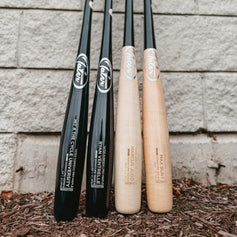
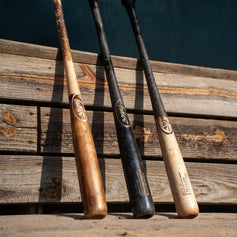
Each tool trains something different: bat speed, hitting the sweet spot, extension, bat path, and eventually swinging something heavier. It might look like a lot of bats, but for a facility training 9 to 14-year-olds, this is all you need. See how they compare in our , or .
FAQ
What training bats should a youth baseball facility have?
For ages 9 to 11: the Sweet Tater or SST underload, a 26" two-hand short bat, and the Split Grip Game Trainer. For ages 12 to 14, add the G Force split grip overload.
When should young hitters start overload training?
We start the split grip overload trainer around ages 12 to 14, after hitters have learned the split grip movement on a game-weight bat.





Pelota de espuma Tater® de Tater Baseball® | Pelotas para máquina de lanzar
$ 74.99
A partir de $ 59.99
/


